


If you’ve only ever watched a live stream from a big studio or played a single‑player mobile title, the term “cloud‑based mobile esports” might feel like jargon. It’s simply a way for players to compete in real time on their phones, while all the heavy lifting—graphics, physics, matchmaking—is done on a server in the cloud. That means you can use a budget device and still play at the same speed as someone with a flagship phone.
How the infrastructure works
The core of the system is a low‑latency edge network. Game servers sit in data centers within a few kilometres of the largest player populations. When you join a match, your phone sends a small packet that tells the server your current state. The server then calculates the outcome and pushes the result back almost instantly. In practice, the round‑trip time is under 30 ms for most users in North America and Europe, which is close enough to feel like a local connection.
Because the heavy computation happens off‑device, the game can run at 60 frames per second even on a 3‑year‑old smartphone. Players only need to keep their device charged and connected to Wi‑Fi or a 5G network with a minimum download speed of 10 Mbps to avoid noticeable lag.
What that means for the players
- Hardware parity: A $200 phone can hold its own against a $1,000 flagship in most titles.
- Instant matchmaking: The system can place you in a game within 5 seconds of pressing “Start.”
- Cross‑platform play: Android and iOS users can compete in the same pool because the server handles the translation.
Financial and regulatory shifts
In 2024, the International Esports Federation introduced a new licensing model that allowed cloud operators to collect a small fee—typically 2–3 % of prize money—while keeping the majority of revenue with the game developer. By 2026, that model had been adopted by 80 % of the major mobile titles, which in turn spurred investment from venture capital firms looking for scalable revenue streams.
Regulators in the EU have started to treat cloud‑based competitions as a new category of digital sport. This has opened the door for national sports bodies to offer official rankings and even sponsor athletes, provided the competition meets data‑protection standards set by the GDPR.
Player experience: highs and lows
One of the most praised aspects is the “play anywhere” mantra. A gamer in Lagos can compete with someone in Seoul without a noticeable delay, which has broadened the audience and increased prize pools. On the flip side, the reliance on a stable internet connection means that players in rural areas with 3G service still face packet loss, which can result in a 10–15 % increase in match abandonment rates.
Another limitation is the learning curve for new players. Because the server handles all physics calculations, any minor input delay can feel amplified, making the game feel less responsive for those used to local play. This can be mitigated by choosing a server region closer to your location.
A broader entertainment context
Cloud‑based mobile esports is part of a larger trend where live streaming platforms are integrating real‑time competition into their content streams. This blurs the line between spectator sport and interactive entertainment, allowing fans to vote on in‑game events or sponsor a player’s next match. For instance, a popular streamer might host a “flash tournament” where viewers can buy virtual tickets that grant them voting power over the map selection.
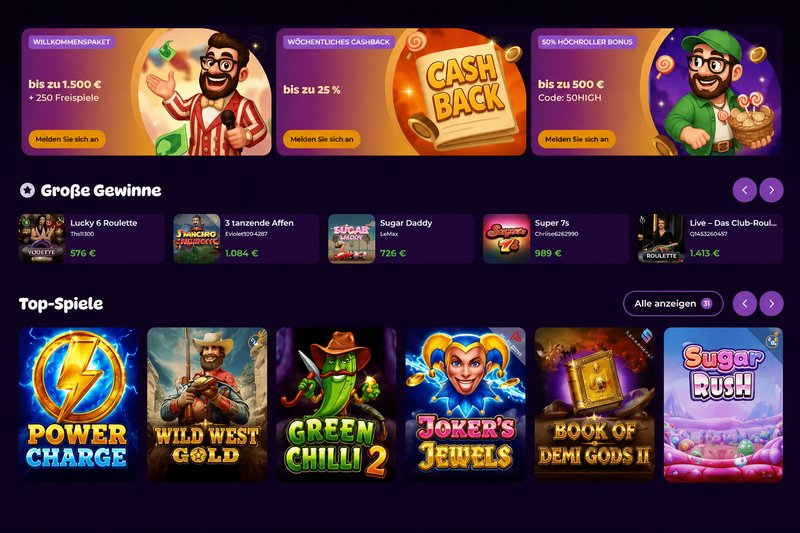
Many of these events are now being hosted on dedicated streaming networks that also offer a range of casual mobile games for quick play. This ecosystem is similar to how a casual sports bar might host a local pickup game while streaming a major league match. The synergy between live events and cloud competition is creating a new revenue model for content creators, who can monetize through ad revenue, sponsorships, and player entry fees.
In this evolving landscape, the line between gaming and mainstream entertainment is becoming thinner. For example, a popular music festival in 2026 announced a partnership with a cloud‑based esports platform to host a live “battle‑of‑the‑bands” tournament, where musicians could compete in rhythm games while fans streamed the event in real time. This cross‑industry collaboration shows how mobile esports can complement traditional entertainment forms, offering a fresh way for audiences to engage.
Why the link matters
For those who want to explore how these cloud competitions tie into broader online gaming culture, you can check out https://hockeystickshq.com to see how the platform integrates live streaming, community features, and real‑time competition.
Looking ahead
By 2028, projections suggest that 60 % of all esports viewership will come from mobile platforms, largely due to cloud infrastructure improvements. Developers are already working on adaptive bitrate streaming for in‑game graphics, which will keep frame rates high even on lower‑end devices. As more regions adopt 5G and edge computing, the latency gap will shrink further, making the experience feel almost indistinguishable from a local LAN party.
For anyone curious about the future of competitive mobile gaming, the rise of cloud‑based competitions is a signal that the industry is moving toward a more inclusive, global, and integrated ecosystem. Whether you’re a casual player or an aspiring pro, the tools and infrastructure are now in place to make that leap easier than ever.
Frequently Asked Questions
What is cloud‑based mobile esports?
It’s real‑time mobile gaming where graphics and physics run on remote servers, letting players compete on any device.
Do I need a flagship phone to play?
No; the server handles the heavy lifting, so even budget phones can match high‑end performance.